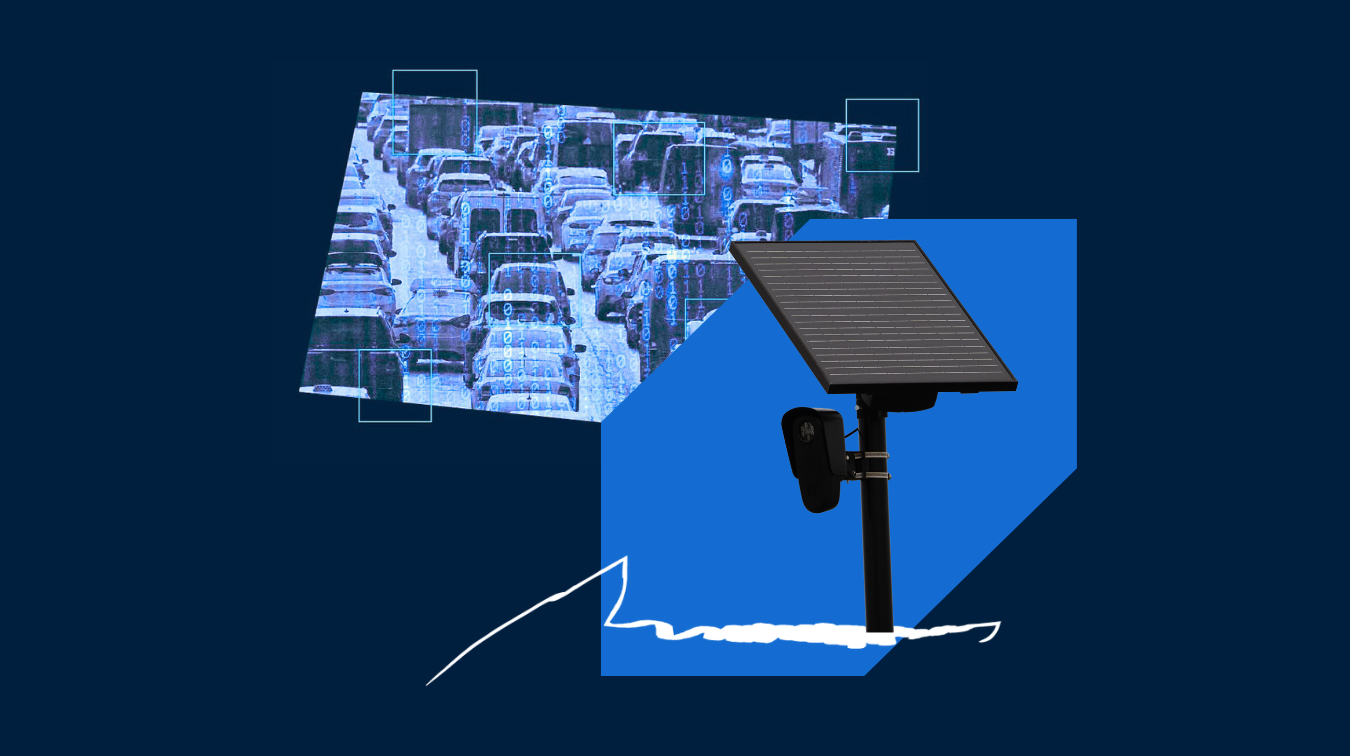
As a constituent, I am writing to urge you to strengthen the current version of ESSB 6002, the Driver Privacy Act, so that it truly protects the privacy of people in our state. While I remain supportive of the Legislature’s effort to regulate governmental use of automated license plate readers (ALPRs), commonly referred to as “Flock cameras,” the bill must be strengthened to prevent the creation of a widespread surveillance system that tracks the daily movements of ordinary people. Building safer communities should not require that we sacrifice our privacy.
I urge you to center the following principles in the final version of this bill:
(1) Vote YES on a House Floor amendment that reduces the data retention period to seven (7) days or less. Retaining ALPR data for 21 days creates a detailed picture of people’s daily activities. While this threatens everyone's privacy, storing this data for more than seven days heightens the risks for immigrants and people accessing healthcare or participating in protests. A retention period that is no more than 7 days still allows for the use of ALPRs for legitimate purposes, such as finding stolen cars and missing people, without storing millions of drivers’ daily routines for multiple weeks.
(2) Vote YES on a House Floor Amendment 2166 that clarifies that footage from body-worn cameras and dashboard cameras is not ALPR data. This amendment ensures that body-worn and dashboard cameras can still be used for accountability and transparency purposes and would not be regulated by this bill unless they integrate ALPR functionality.
(3) Vote NO on any House Floor amendments that would add misdemeanor offenses to ESSB 6002. The bill currently enables law enforcement to use ALPRs to investigate felonies (crimes the state legislature has deemed to pose the most significant threats to public safety), as well as locating vehicles on watchlists, including vehicles that are stolen or associated with missing or endangered persons, including children. Expanding authorized ALPR use to include misdemeanors would dramatically widen the universe of cases in which agencies can query and exploit historical location data, turning this surveillance tool into a routine, everyday investigative shortcut.
ALPRs scan millions of plates, but only a fraction of these scans are “hits” associated with an investigation. An Electronic Frontier Foundation report on ALPR use across California found that 99.9% of this surveillance data was not connected to an investigation when collected, and in Washington state, many agencies also report a hit rate well below 0.1%, as detailed in a UW Center for Human Rights report.
Law enforcement already has multiple tools to investigate misdemeanor cases that do not depend on building or mining massive location databases containing information on millions of drivers.
(4) Vote NO on any House Floor amendments that enable ALPR searches for partial plates and/or vehicle characteristics, including Floor Amendment 2165. Allowing the government to run broad searches like “a blue Honda” threatens our civil liberties. These search capabilities should be rejected because they would greatly expand the warrantless, dragnet use of ALPRs by including large numbers of people with no connection to suspected wrongdoing in law enforcement searches and subjecting them to scrutiny. It would also introduce significant risks of false matches, unwarranted police stops, discriminatory targeting, and further erosion of privacy
Thank you for your time and consideration. I respectfully urge you to strengthen ESSB 6002, the Driver Privacy Act, and vote NO on amendments that weaken protections, so it truly protects the privacy and civil liberties of constituents like me.